

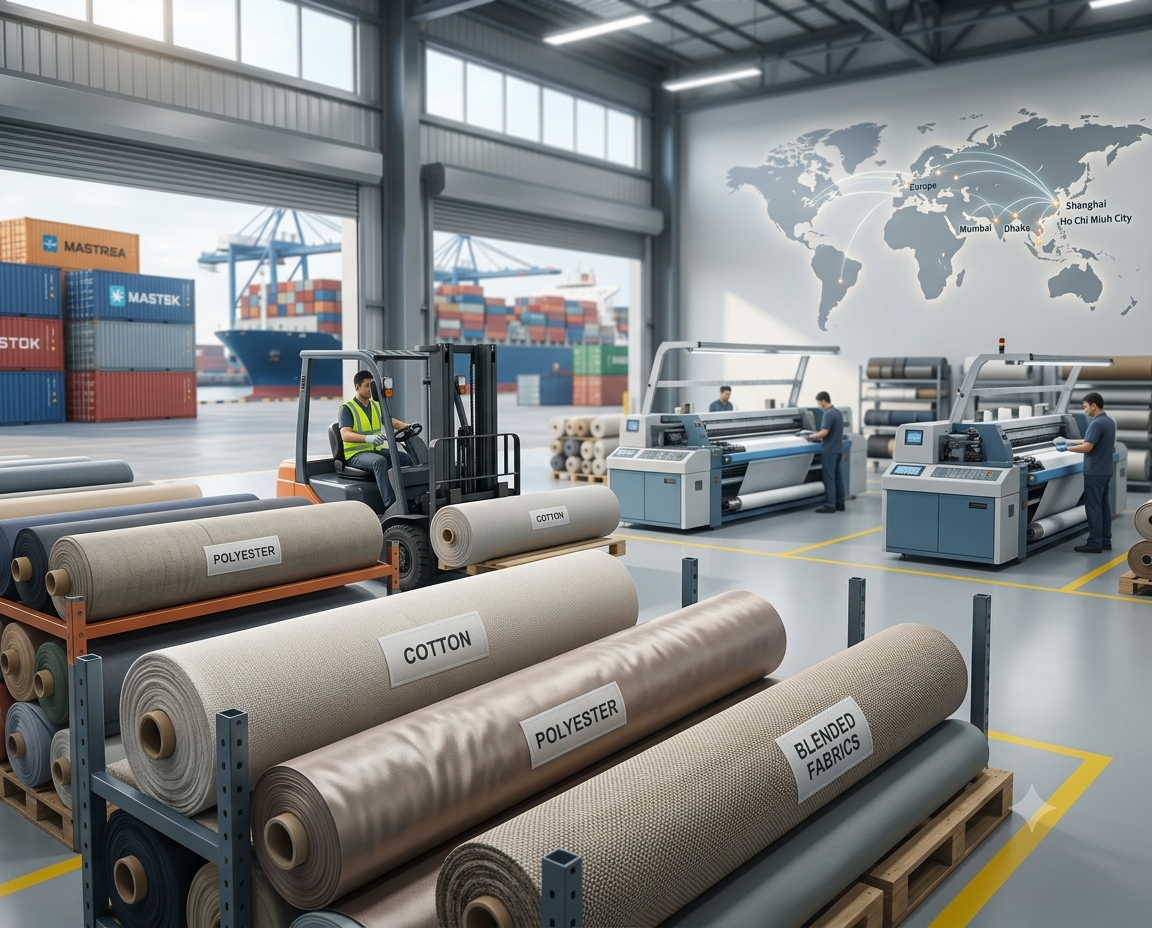
Top Exported Fabrics from Asia in 2026: Market Trends and Global Demand
Top Exported Fabrics from Asia in 2026: Market Trends, Leading Suppliers & Global Demand
Introduction
Asia continues to lead the global textile industry in 2026, supplying a significant share of the world’s fabric requirements. From everyday cotton textiles to advanced technical materials, the region has become the preferred sourcing destination for apparel manufacturers, home textile brands, and industrial buyers.
Countries such as China, India, Pakistan, Vietnam, Bangladesh, and Turkey have developed strong textile ecosystems that combine modern manufacturing, skilled labor, competitive pricing, and reliable supply chains. As global demand evolves, Asian fabric exporters are expanding their product offerings to include sustainable, high-performance, and value-added textiles.
This guide explores the most exported fabric categories from Asia, the countries leading production, and the trends shaping the global textile market in 2026.
Why Asia Leads the Global Fabric Export Market
Asia remains the world’s largest textile manufacturing region due to several key advantages:
- Large-scale textile production capacity
- Strong availability of natural and synthetic fibers
- Competitive manufacturing costs
- Advanced weaving, knitting, dyeing, and finishing facilities
- Efficient export infrastructure
- Experienced workforce and textile expertise
These strengths enable Asian suppliers to serve fashion brands, retailers, wholesalers, importers, and industrial buyers across Europe, North America, the Middle East, Africa, and South America.
1. Cotton Fabrics
Cotton fabrics continue to be among the most widely exported textile products from Asia. Their comfort, durability, breathability, and versatility make them a preferred choice for clothing, uniforms, and home textiles.
Popular cotton fabric exports include:
- Cotton Poplin
- Cotton Twill
- Denim Fabric
- Canvas Fabric
- Oxford Fabric
- Sheeting Fabric
- Organic Cotton Fabric
China, India, and Pakistan remain major suppliers of cotton fabrics, while Bangladesh imports large volumes of cotton fabric for garment manufacturing before exporting finished apparel worldwide.
2. Polyester Fabrics
Polyester fabrics are experiencing steady global demand due to their durability, wrinkle resistance, affordability, and easy maintenance.
Common polyester fabric exports include:
- Polyester Woven Fabric
- Polyester Knitted Fabric
- Microfiber Fabric
- Performance Fabric
- Sportswear Fabric
- Lining Fabric
These fabrics are widely used in:
- Activewear
- Fashion garments
- Uniforms
- Home furnishings
- Outdoor products
China continues to dominate polyester fabric production, with Vietnam, Thailand, and other Southeast Asian countries also increasing their export capacity.
3. Blended Fabrics
Blended fabrics combine the advantages of different fibers to improve comfort, durability, stretch, and performance.
Popular blends include:
- Cotton Polyester Fabric
- Cotton Viscose Fabric
- Cotton Spandex Fabric
- Polyester Viscose Fabric
- Poly Cotton Fabric
These materials are commonly used in:
- School uniforms
- Corporate wear
- Fashion apparel
- Hotel textiles
- Workwear
Global brands increasingly prefer blended fabrics because they provide better performance while remaining cost-effective.
4. Knitted Fabrics
Knitted fabrics continue to gain popularity as demand for comfortable and stretchable clothing grows worldwide.
Major knitted fabric exports include:
- Single Jersey
- Rib Fabric
- Interlock Fabric
- French Terry
- Fleece Fabric
- Pique Fabric
These fabrics are widely used for:
- T-shirts
- Hoodies
- Sportswear
- Casual clothing
- Children’s wear
Vietnam, China, Pakistan, and Bangladesh remain important suppliers of knitted textile fabrics.
5. Technical and Industrial Fabrics
Technical textiles represent one of the fastest-growing segments of Asia’s textile exports.
Unlike conventional fabrics, these materials are designed for specific industrial or functional applications.
Examples include:
- Fire-resistant fabrics
- Medical textiles
- Automotive fabrics
- Filtration fabrics
- Protective clothing fabrics
- Waterproof fabrics
- High-performance synthetic textiles
Countries such as China, South Korea, Japan, and Taiwan continue investing heavily in technical textile innovation.
6. Home Textile Fabrics
Home textile fabrics remain an important export category across Asia.
These fabrics are used for manufacturing:
- Bed sheets
- Pillow covers
- Curtains
- Towels
- Upholstery
- Table linen
- Kitchen textiles
Pakistan is especially recognized for premium cotton home textile fabrics, while China and India offer a broad range of woven and blended home furnishing materials.
7. Sustainable Fabrics
Environmental responsibility has become a major priority for global textile buyers.
As a result, Asian manufacturers are increasing production of eco-friendly fabrics, including:
- Organic Cotton
- Recycled Polyester
- Recycled Cotton
- Bamboo Fabric
- TENCEL™ and Lyocell
- Sustainable Viscose
Many international brands now require certified sustainable materials that meet global environmental and social compliance standards.
Leading Fabric Exporting Countries in Asia
China
China remains the world’s largest textile producer and exporter. Its extensive manufacturing infrastructure enables the country to supply almost every type of woven, knitted, synthetic, and technical fabric.
Major Exports
- Polyester fabrics
- Cotton fabrics
- Technical textiles
- Fashion fabrics
- Industrial fabrics
India
India is internationally known for its cotton industry and continues to export high-quality woven and blended fabrics.
Major Exports
- Cotton fabrics
- Denim
- Organic cotton
- Printed fabrics
- Home textile fabrics
Pakistan
Pakistan is one of the leading suppliers of premium cotton fabrics and home textile materials.
The country’s textile industry specializes in:
- Cotton sheeting
- Twill fabrics
- Denim
- Grey fabrics
- Home textile fabrics
Its reputation for quality cotton makes Pakistan a trusted sourcing destination for international buyers.
Vietnam
Vietnam continues expanding its textile manufacturing capabilities, particularly in knitted and synthetic fabrics used by global apparel brands.
Bangladesh
Although Bangladesh is globally recognized for garment manufacturing, its domestic textile sector is steadily growing to support increasing demand for knitted and woven fabrics.
Global Trends Shaping Fabric Exports in 2026
Several industry developments are influencing international fabric sourcing.
Sustainable Manufacturing
Buyers increasingly prefer environmentally responsible fabrics produced using recycled fibers, organic materials, and water-saving manufacturing processes.
Digital Textile Production
Automation, AI-powered quality inspection, and digital printing technologies are improving production efficiency while reducing waste.
Supply Chain Diversification
International buyers are sourcing fabrics from multiple Asian countries to reduce supply chain risks and improve delivery flexibility.
Demand for Performance Fabrics
Sportswear, healthcare, automotive, and industrial industries continue driving demand for high-performance textile materials.
Industries Using Asian Export Fabrics
Asian fabrics are supplied to numerous industries worldwide, including:
- Fashion and Apparel
- Home Textiles
- Hospitality
- Healthcare
- Automotive
- Industrial Manufacturing
- Sportswear
- Workwear
- Furniture and Upholstery
Why Buyers Source Fabrics from Asia
Global importers continue choosing Asian textile suppliers because they offer:
- Competitive pricing
- Large production capacity
- Wide product variety
- Reliable export experience
- Modern manufacturing facilities
- Product customization
- International quality standards
- Flexible order quantities
These advantages make Asia one of the most dependable textile sourcing regions in the world.
Conclusion
Asia remains the global leader in fabric exports in 2026, supplying an extensive range of cotton, polyester, knitted, blended, technical, and sustainable textiles to international markets. Continuous investment in technology, product innovation, and environmentally responsible manufacturing has strengthened the region’s position as the preferred sourcing destination for textile buyers.
Whether you are a garment manufacturer, importer, wholesaler, retailer, or private-label brand, sourcing fabrics from trusted Asian suppliers can provide consistent quality, competitive pricing, and dependable long-term partnerships.
At MB Enterprises, we connect global buyers with verified textile manufacturers across Pakistan, China, India, Vietnam, Turkey, and other leading textile-producing countries, helping businesses source high-quality fabrics with confidence.